



Your main water line does a big job quietly. It carries every gallon of water your household uses from the street into your home, usually buried several feet underground where you never see it. That’s why water line problems are easy to miss until they show up as a soggy yard, a sudden drop in water pressure, or a water bill that makes no sense.
Here’s how to recognize the signs you need water line repair, what’s usually behind the damage, and what to expect when a plumber fixes it.
What Is Your Main Water Line, and Who Is Responsible for It?
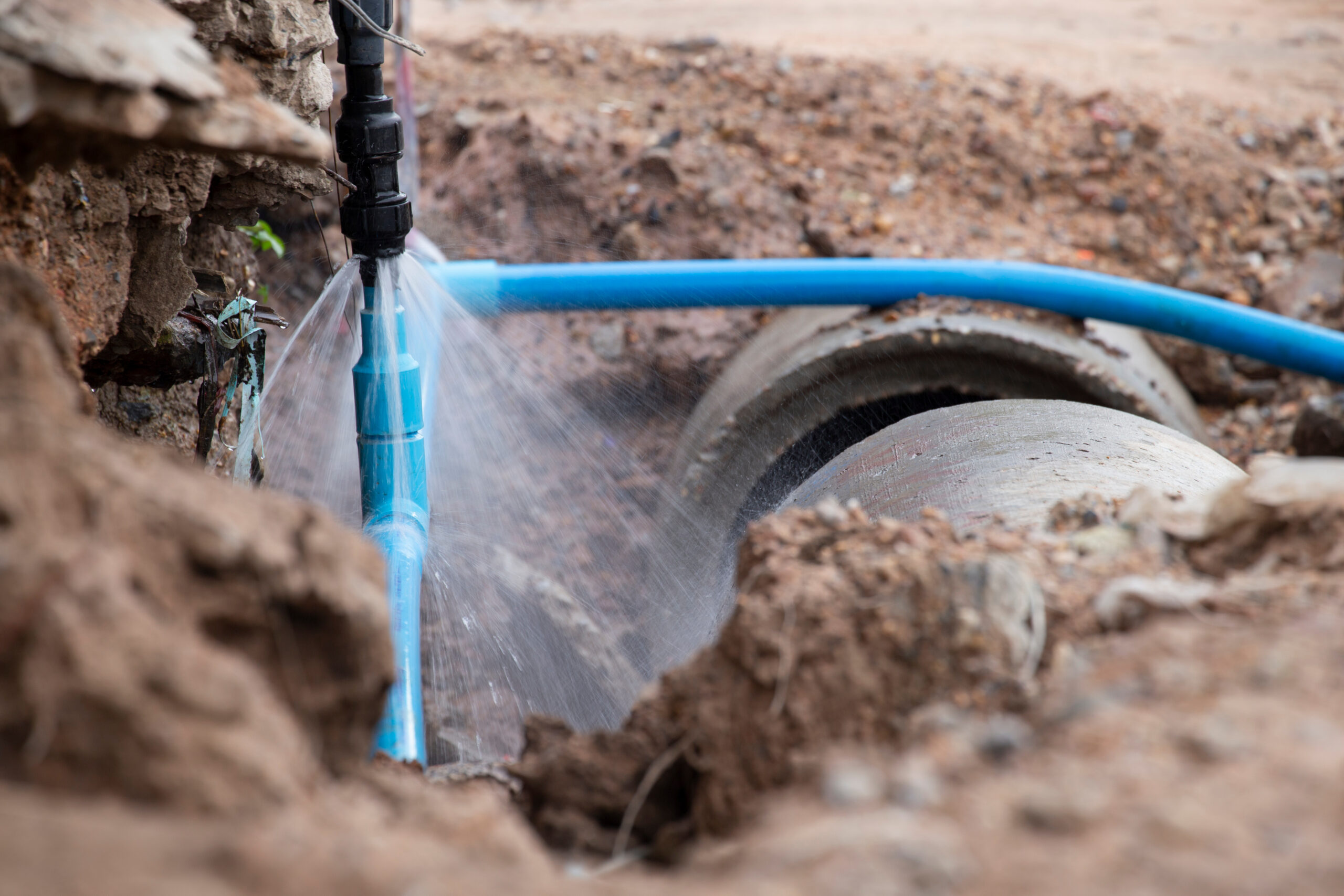
Your main water line, also called the water service line, runs underground from the public water supply to your home. In most areas, the water utility maintains the water main and the connection at the street, while the homeowner is responsible for the line from that point into the house. In Kansas City, Kansas, for example, the local utility explains that customers are responsible for the piping from the curb stop into the home.
That means if the leak is on your side of the line, the repair is up to you. Checking with your water provider is a good first step when you’re not sure where the problem is.
Signs You Need Water Line Repair
- Wet, soggy, or sunken spots in your yard, especially in dry weather
- Grass that’s unusually green or fast-growing in one strip of the lawn
- A sudden or gradual drop in water pressure throughout the house
- A water bill that jumps without a change in your usage
- Discolored, rusty, or cloudy water
- The sound of running water when every fixture is off
- A water meter that keeps moving when no water is being used
The meter test is one of the easiest ways to check for a hidden leak. Turn off every faucet and water-using appliance, note the meter reading, and check it again after an hour or two. If it moved, water is going somewhere it shouldn’t.
What Causes Water Line Damage?
Most water line problems come down to age, ground movement, or outside damage. Common causes include:
- Aging pipes: Older galvanized steel lines corrode from the inside, which restricts flow and eventually leads to leaks.
- Freezing and thawing: Kansas winters can shift the soil around shallow lines and stress joints and fittings.
- Tree roots: Roots are drawn to moisture and can wrap around or crack a buried line.
- Shifting soil and settling: Ground movement over time can crack pipes or pull fittings apart.
- Accidental damage: Digging for a fence, landscaping, or other project can strike a buried line, which is why calling 811 before you dig matters.
Why You Shouldn’t Wait on a Water Line Leak
A leaking water line rarely fixes itself. Even a slow leak wastes a surprising amount of water. Household leaks in the average home can waste more than 9,300 gallons of water a year. An underground leak can also wash out soil, undermine your driveway or foundation, and let contaminants into the line when pressure drops.
Low pressure from a damaged line also affects everything in the house, from showers to appliances. If you’ve been noticing weak flow, our post on low water pressure covers other causes to rule out.
What the Water Line Repair Process Looks Like
1. Finding the Problem
A plumber starts by confirming there’s a leak and narrowing down where it is. That may include a meter test, a pressure check, and an inspection of the line where it enters the house. Pinpointing the problem first means less digging and a more accurate estimate.
2. Choosing Repair or Replacement
If the damage is limited to one section and the rest of the pipe is in good shape, a targeted repair is often the most practical fix. If the line is old, corroded, or has failed in more than one spot, replacement usually makes more sense. Our post on water line repair vs. replacement goes deeper into how to make that call.
3. Excavation and Repair
The plumber exposes the damaged section, repairs or replaces the pipe with durable materials, and makes sure connections are secure. Utility lines are marked before any digging begins.
4. Testing and Restoration
Once the repair is complete, the line is tested for leaks and proper pressure before the trench is backfilled. Water service is restored and checked inside the home.
How Much Does Water Line Repair Cost?
Water line repair cost depends on how deep the line is buried, how much of it needs work, what’s on top of it (lawn, landscaping, or concrete), and whether the whole line needs to be replaced. A small repair on an accessible section costs far less than replacing an entire line under a driveway.
At Quick Relief Plumbing, every job starts with upfront pricing, so you know the cost before any work begins. For larger repairs or full replacements, financing is available.
Local Water Line Repair You Can Trust
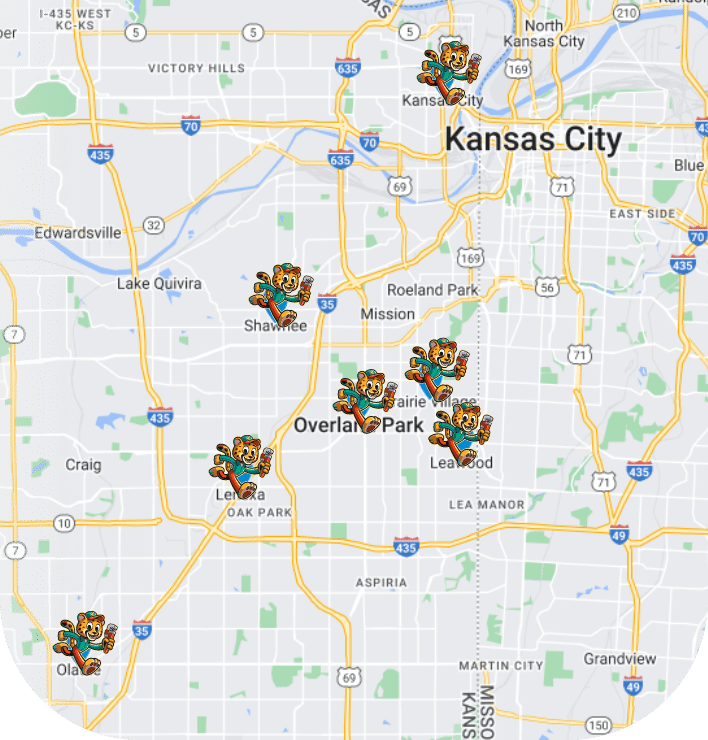
Our water line team repairs and replaces water service lines for homeowners across Kansas City, Overland Park, Leawood, Olathe, Shawnee, Lenexa, and Prairie Village. Our technicians are licensed, insured, bonded, background-checked, and drug-tested, and we treat your yard and home with the same care we’d want for our own.
Quick Relief Plumbing was founded in 2012 by Anthony Ficara, who learned plumbing alongside his father from a young age. Today our family-owned team holds a 4.9-star rating across more than 600 Google reviews and a 2024 “Best of KC” Gold award.
Key Takeaways
- Homeowners are typically responsible for the water line from the utility’s connection point into the house.
- Common signs you need water line repair include soggy yard spots, low water pressure, discolored water, and an unexplained jump in your water bill.
- A simple meter test can help confirm a hidden leak.
- Aging pipes, freeze and thaw cycles, tree roots, and accidental digging are the most common causes of water line damage.
- A plumber will pinpoint the problem first, then recommend a targeted repair or a full replacement based on the line’s condition.
Frequently Asked Questions
How do I know if my main water line is leaking? Look for wet spots in the yard, low water pressure, and a water bill that rises without explanation. A water meter that moves while all water is turned off is a strong sign of a leak.
Is a broken water line an emergency? A major break that floods your yard or cuts off water to the house should be treated as an emergency. Shut off the main valve if you can and call a plumber. Quick Relief Plumbing offers 24/7 emergency service.
Should I repair or replace my water line? If the damage is limited and the rest of the pipe is in good condition, repair is often enough. Older or repeatedly failing lines are usually better candidates for replacement.
How long does water line repair take? Many repairs are completed in a day once the leak is located. Full replacements and lines under concrete or landscaping can take longer.
Think you might have a leak in your main water line? Contact Quick Relief Plumbing or call 913-207-0779 for a clear diagnosis and upfront pricing on water line repair across Kansas City and Overland Park.