



If your plumber has recommended a water heater expansion tank, or you’ve noticed pressure issues after a recent water heater or backflow preventer installation, you’re probably wondering what the actual installation involves. Water heater expansion tank installation is a relatively quick job for an experienced plumber, but getting the sizing, placement, and pressure settings right is what separates a tank that actually protects your plumbing from one that’s just taking up space.
Here’s what to expect from the installation process, what it typically costs in the Kansas City and Overland Park area, and why proper installation matters more than people expect.
A Quick Refresher: What This Tank Does
As water heats, it expands, a natural property of water heating that every plumbing system has to account for. In homes with an open system, that expansion isn’t a problem because the extra volume flows harmlessly back into the municipal supply. But homes with a closed system, meaning a backflow preventer, pressure-reducing valve, or check valve is in place, don’t have that outlet. An expansion tank gives the expanding water somewhere safe to go, using an internal air cushion to absorb the extra pressure instead of letting it build up in your pipes and water heater tank.
The Water Heater Expansion Tank Installation Process
1. Assessing Your System
Before installation, a plumber checks your home’s water pressure and confirms whether you have a closed system that requires an expansion tank. This step also involves checking your water heater’s age, condition, and the space available for mounting the new tank.
2. Selecting the Right Size
Expansion tanks come in different sizes based on your water heater’s capacity. A tank that’s too small won’t absorb enough pressure, while an oversized tank is an unnecessary expense. Getting this match right is one of the most important parts of the process.
3. Setting the Precharge Pressure
Every expansion tank ships with a factory air precharge, but that number needs to match your home’s actual static water pressure for the tank to function correctly. A plumber checks your home’s pressure with a gauge and adjusts the tank’s precharge to match before installation, usually through a valve on top of the tank similar to a tire valve.
4. Mounting and Connecting the Tank
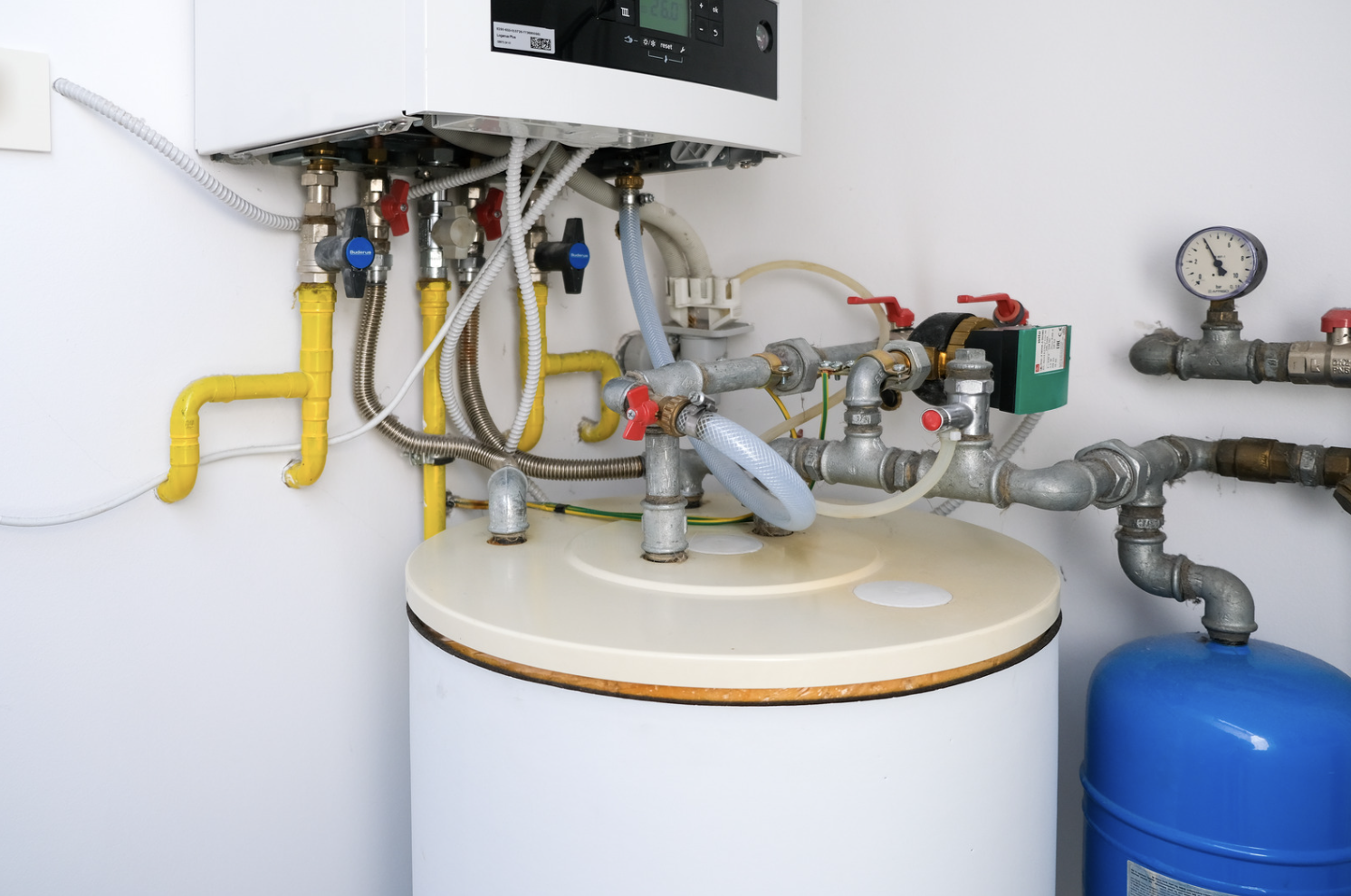
The tank is typically installed on the cold water supply line leading into the water heater, either directly above the unit or nearby, using a tee fitting. It needs to be mounted securely, since a full tank has some weight to it, and connected so water can flow freely between the tank and the supply line.
5. Testing the System
Once installed, a plumber checks water pressure throughout the system to confirm the tank is absorbing expansion correctly and that there are no leaks at the new connections.
Water Heater Expansion Tank Installation Cost in Kansas City
Installation costs depend on the size of the tank, the complexity of your existing plumbing, and whether any additional parts, like a new tee fitting or shutoff valve, are needed. In general, expansion tank installation is one of the more affordable plumbing upgrades available, especially compared to the cost of repairing water heater or pipe damage caused by unmanaged pressure over time. Because it’s a relatively quick job for an experienced plumber, it’s also a task that pairs well with a broader water heater installation or replacement if you’re already having new equipment put in.
Why Correct Installation Matters
An expansion tank that’s mismatched, poorly mounted, or set to the wrong precharge pressure can give a false sense of security. It may be technically installed, but if it isn’t sized or pressurized correctly for your home’s system, it won’t actually absorb thermal expansion the way it’s supposed to. Over time, this can lead to the same pressure-related wear and tear the tank was meant to prevent, including strain on your water heater and the risk of premature failure or leaks.
This is exactly why professional installation matters. At Quick Relief Plumbing, our technicians check your home’s actual water pressure, size the tank to your water heater, and set the precharge correctly before mounting it, rather than treating it as a one-size-fits-all part. Every technician is licensed, insured, background-checked, and drug-tested, and we provide upfront pricing so you know the full cost before any work begins.
Backed by Real Experience
Quick Relief Plumbing has served Kansas City and Overland Park since 2012, founded by Anthony Ficara, who began learning the plumbing trade at age five working alongside his father and was plumbing entire new-construction homes by his late teens. That hands-on background is reflected in every installation our team completes, and it’s part of why we’ve earned a 4.9-star rating across more than 600 Google reviews and a 2024 “Best of KC” Gold award.
Key Takeaways
- Water heater expansion tank installation involves assessing your system, selecting the correct tank size, matching the precharge pressure to your home’s water pressure, and mounting the tank securely.
- Homes with a closed plumbing system, typically indicated by a backflow preventer or pressure-reducing valve, need a properly sized and pressurized expansion tank.
- Incorrect sizing or precharge settings can leave a tank installed but ineffective, allowing pressure damage to continue.
- Installation is a relatively affordable upgrade, especially compared to the cost of pressure-related water heater or pipe damage over time.
- Professional installation ensures the tank is sized, pressurized, and mounted correctly the first time.
Frequently Asked Questions
How long does water heater expansion tank installation take? Most installations are completed within an hour or two, depending on your existing plumbing layout and whether additional fittings are needed.
Can I install a water heater expansion tank myself? It’s possible for someone with plumbing experience, but incorrect sizing or precharge pressure is a common mistake that reduces the tank’s effectiveness. Professional installation ensures it’s set up correctly.
Where is a water heater expansion tank installed? It’s typically mounted on the cold water supply line near the water heater, connected through a tee fitting.
Do I need a new expansion tank if I’m replacing my water heater? Not always, but it’s a good time to have your existing tank inspected. If it’s more than a few years old or your new water heater has a different capacity, a plumber can confirm whether it still fits your system correctly.
Ready to have a water heater expansion tank installed or inspected? Contact Quick Relief Plumbing or call 913-207-0779 for upfront pricing and professional installation across Kansas City and Overland Park.