



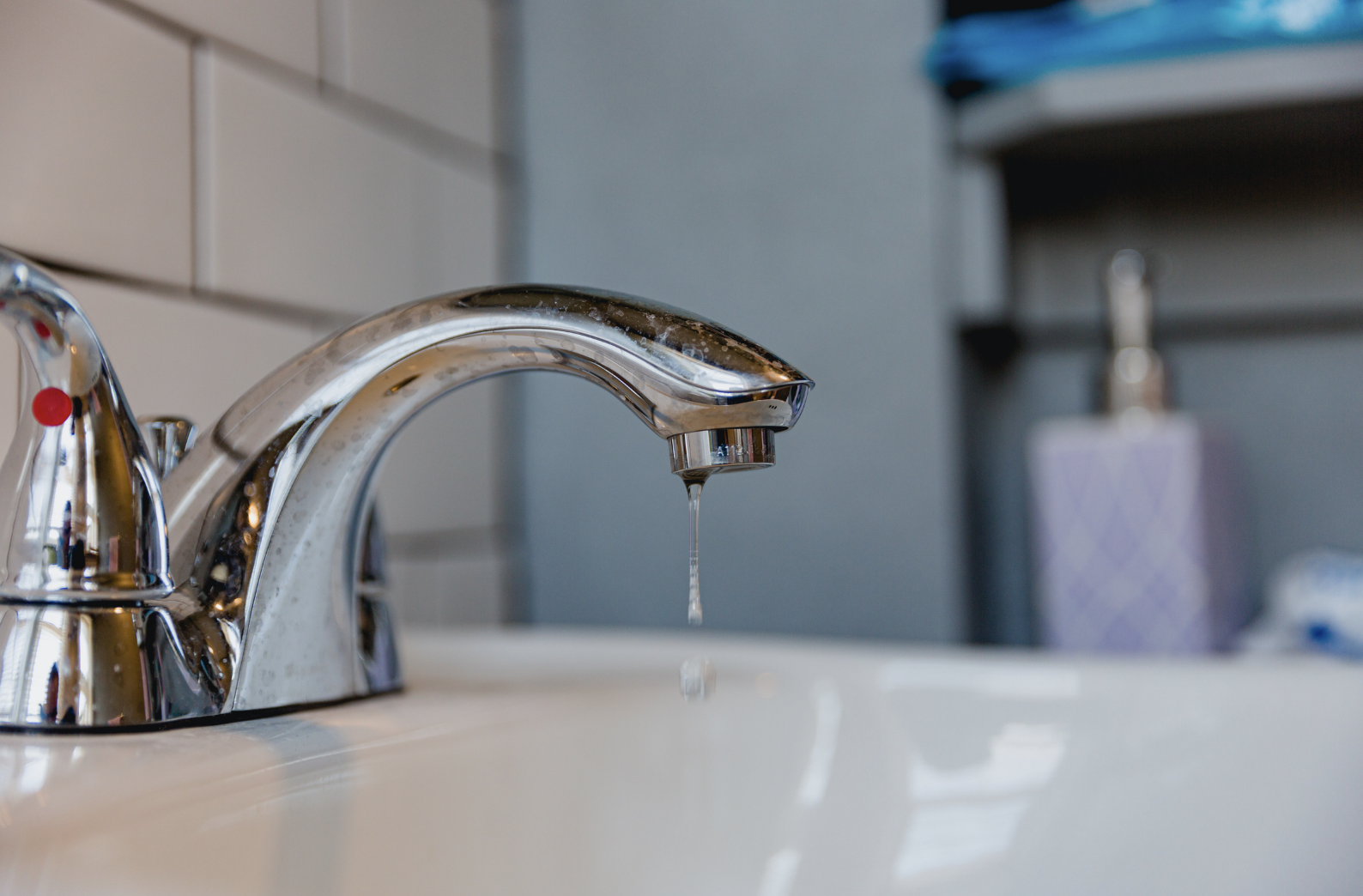
A dripping faucet is annoying, and it’s easy to put off. But that steady drip wastes water, can stain your sink, and often gets worse the longer you wait. The good news is that many faucet repair jobs are well within reach for a handy homeowner with a few basic tools. The less good news is that some leaks look simple and turn out not to be.
Here’s how to tell which kind of leak you have, what you can safely fix yourself, and when it’s smarter to call a plumber.
Key Takeaways
- Most simple drips come from a worn washer, O-ring, or cartridge and can be fixed in under an hour with basic tools.
- Always shut off the water supply under the sink before starting any faucet repair.
- Call a plumber if shutoff valves won’t close, the leak continues after replacing parts, or the faucet is old and parts are hard to find.
- Leaks from the base of the faucet, behind the wall, or from tub and shower valves are usually best handled professionally.
- Sometimes replacing the faucet costs less in the long run than repeated repairs.
Why Is My Faucet Leaking?
Faucets leak because the small parts inside wear out. Rubber washers harden, O-rings crack, cartridges and valve seats corrode, and mineral buildup roughens the surfaces that are supposed to seal. Kansas City-area water is relatively hard, so scale can speed this up.
The location of the leak gives you a clue. A drip from the spout usually means a worn washer, cartridge, or valve seat. Water pooling around the base of the handle or spout points to a bad O-ring. Dampness under the sink may mean a loose supply line or a failing connection rather than the faucet itself.
Which Faucet Repair Jobs Can You DIY?
If the leak is a simple drip from the spout or handle and your shutoff valves work, faucet repair is a reasonable weekend project. Typical DIY-friendly jobs include replacing a washer or O-ring, swapping out a cartridge, and cleaning a clogged aerator.
A basic approach looks like this:
- Turn off the water. Close the shutoff valves under the sink, then open the faucet to release pressure.
- Plug the drain. A small screw or washer dropped down the drain is a classic headache.
- Identify your faucet type. Compression, cartridge, ball, and ceramic disc faucets all use different internal parts.
- Disassemble carefully. Remove the handle and any retaining nut or clip, taking photos as you go.
- Replace the worn part. Take the old part to a hardware store to match it exactly.
- Reassemble, turn the water back on slowly, and test.
A quick note on terminology: if you read repair guides from the UK, you’ll see the word “tap” where Americans say faucet. As this explanation of the difference between a tap and a faucet puts it, the terms are largely interchangeable and come down to regional preference, and the repair principles are the same.
When Should You Call a Plumber for Faucet Repair?
Call a plumber when the job goes beyond swapping a simple part. The most common signs it’s time to call:
- The shutoff valves won’t close or are corroded. Forcing a stuck valve can break it and cause a flood.
- The leak continues after you’ve replaced parts. This can mean a damaged valve seat or a deeper problem.
- The faucet is old or discontinued. Parts may be impossible to find, and replacement makes more sense.
- You see water damage, mold, or a musty smell under the sink. The leak may be bigger or older than it looks.
- The leak is at a tub or shower valve. These sit behind the wall and are much harder to access.
- Multiple faucets are dripping. That can point to high water pressure or a system-level issue.
- You’re not comfortable doing it. A botched DIY repair can cost more than a service call.
If water is spraying, a supply line has failed, or you can’t shut it off, treat it as an emergency plumbing situation and call right away.
Is It Better to Repair or Replace a Leaky Faucet?
Repair makes sense for newer faucets with a simple, inexpensive part failure. Replacement is often better when the faucet is more than 10 to 15 years old, the finish is pitted or corroded, repairs keep recurring, or you want a more efficient or updated fixture. A plumber can tell you honestly which makes more sense, and you’ll know the price upfront.
How Can You Prevent Faucet Leaks?
Regular maintenance catches small problems early. Clean aerators every few months, avoid over-tightening handles, and pay attention to small drips before they become constant. Our maintenance membership plan includes an annual inspection where we check all faucets for leaks and corrosion and clean the aerators for proper flow, plus a 10% discount on future repairs.
Why Choose Quick Relief Plumbing for Faucet Repair?
Quick Relief Plumbing has served Kansas City and Overland Park since 2012. Founder Anthony Ficara learned the trade alongside his father from a young age and was plumbing new-construction homes by his late teens, so even a small faucet job gets the same care as a larger project. Our technicians are licensed, insured, background-checked, and drug-tested. They keep your home clean, give you upfront pricing, and stand behind their work with a 100% satisfaction guarantee. We hold a 4.9-star rating across more than 600 Google reviews.
Frequently Asked Questions
How much does faucet repair cost? It depends on the faucet type, the part needed, and how accessible it is. A plumber can give you an upfront price after a quick look, so you know the cost before work begins.
Can I fix a leaky faucet without turning off the water? No. Always shut off the supply valves under the sink first. If the valves don’t work, call a plumber rather than forcing them.
Why does my faucet keep dripping after I replaced the washer? The valve seat may be worn or corroded, or the replacement part may not match. A plumber can diagnose the cause quickly.
How long does a faucet repair take? A simple repair usually takes under an hour. Older faucets or hidden valves can take longer.
Ready for faucet repair you can count on? Contact Quick Relief Plumbing or call 913-207-0779.