



Switching to a gas range, adding a gas dryer, or finally building that outdoor fire pit is exciting. But before the new appliance arrives, you need a safe way to get fuel to it. That’s where gas line installation comes in. A new gas line has to be planned, sized, permitted, and tested correctly, because small mistakes with natural gas can turn into big safety problems.
Here’s what Kansas City and Overland Park homeowners should know before adding a new gas appliance, what the installation process looks like, and why this is never a DIY project.
When Do You Need a New Gas Line?
You need a new gas line any time you add a gas appliance in a spot that doesn’t already have a gas connection, or when your existing piping can’t supply enough fuel for everything you want to run. Common reasons homeowners call us include:
- Converting an electric range or cooktop to gas
- Adding a gas dryer in a new laundry location
- Installing a gas water heater, including a tankless water heater
- Running gas to a backyard grill, fire pit, or patio heater
- Adding a standby generator
- Finishing a basement or building an addition with gas appliances
If you’re adding a generator, our guide to gas piping for backup generators covers that project in more detail.
Why Gas Line Sizing Matters
Every gas appliance has a fuel demand, measured in BTUs. Your home’s gas piping has to deliver enough gas to every appliance at once, at the right pressure, without starving anything else on the system. A line that’s too small can leave a new range with weak flames or cause a water heater or furnace to underperform when other appliances are running.
Before installing anything, a licensed plumber adds up the demand of your existing and new appliances, measures the length of the run, and confirms whether your current piping and meter can handle the added load. Sometimes the answer is a simple branch line. Other times, part of the system needs to be upsized.
What the Gas Line Installation Process Looks Like
1. Assessment and Planning
A plumber looks at where the new appliance will go, where the nearest suitable gas supply is, and the safest route between them. This step also covers sizing and any code requirements for venting, clearances, and shutoff valves.
2. Permits
Gas piping work typically requires a permit and inspection through your city. A professional plumber handles this so the work is documented and checked, which also matters if you sell your home later.
3. Running the Line
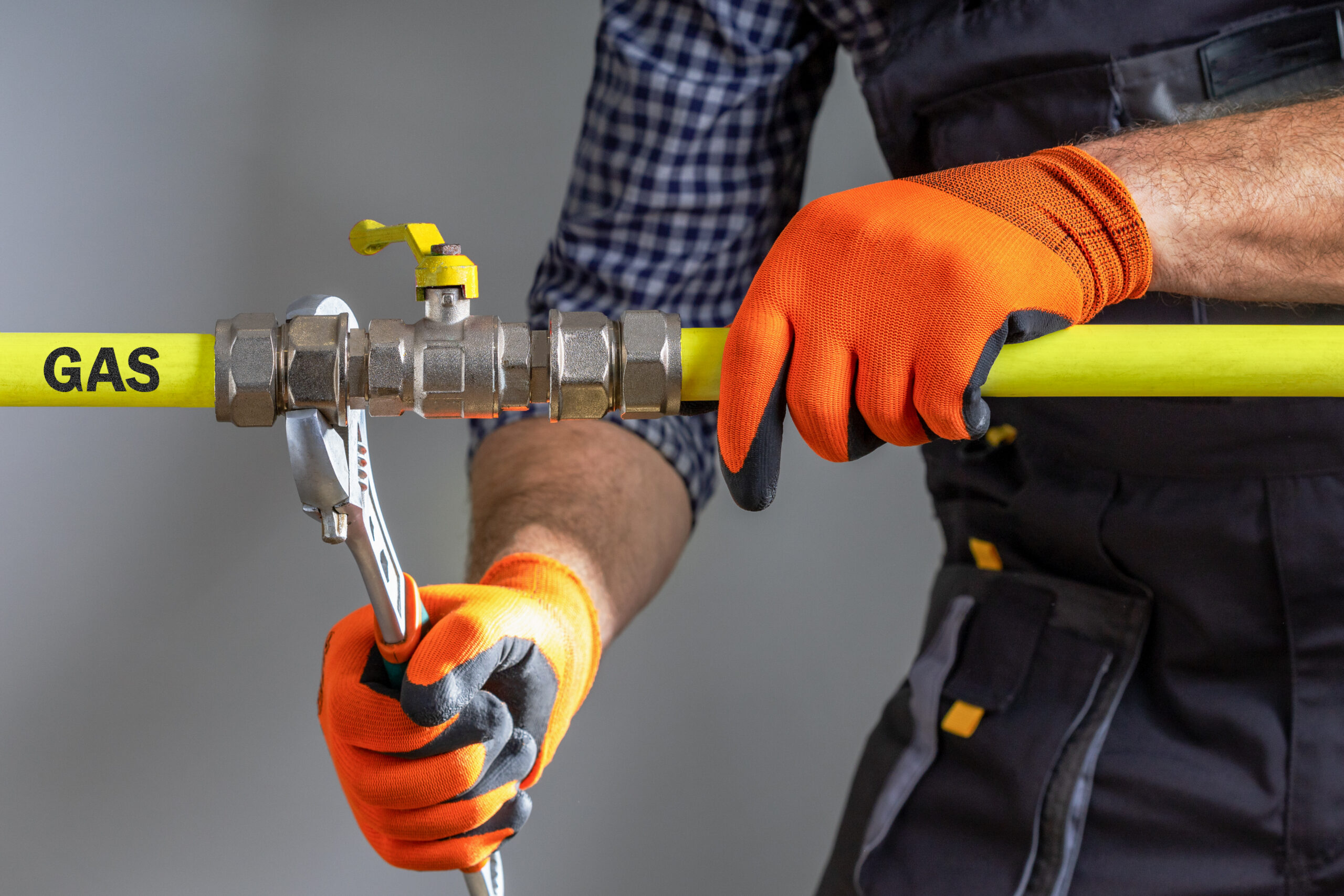
The new line is installed using pipe and fittings rated for gas, with a dedicated shutoff valve near the appliance. For outdoor or underground runs, the utility locate service needs to mark buried lines first. Calling 811 before any digging is a must.
4. Pressure Testing
Before any gas flows, the new piping is pressure tested to confirm there are no leaks at joints or fittings. This is one of the most important steps, and one that DIY installations often skip or get wrong.
5. Connection and Final Check
Once the line passes testing and inspection, the appliance is connected, the system is purged of air, and burners or pilot lights are checked for a clean, steady flame.
Gas Line Safety: Why This Isn’t a DIY Job
Gas line installation is one of the few home projects where a mistake can put your family in real danger. A loose fitting can leak gas into your home, and a poorly vented appliance can produce carbon monoxide. More than 200 people in the United States die each year from accidental non-fire carbon monoxide poisoning linked to consumer products. The CPSC recommends carbon monoxide alarms on every level of the home and outside sleeping areas, which is a smart step any time you add a gas appliance.
Know the warning signs of a gas problem, too. A rotten egg smell, a hissing sound near a gas line, or a pilot light that keeps going out are all reasons to act quickly. Our guide on how to spot a gas piping leak walks through what to look for. If you ever smell gas, leave the house right away and call your gas company from outside.
How Much Does Gas Line Installation Cost?
Gas line installation cost depends on the length of the run, how many walls or floors the line passes through, whether the line runs inside or underground, and whether your existing piping needs to be upsized. A short run to a kitchen range on an unfinished basement ceiling is a much simpler job than an underground line to a backyard kitchen.
At Quick Relief Plumbing, you’ll get upfront pricing before any work begins, so there are no surprises. For larger projects, financing options are also available.
Why Homeowners Trust Quick Relief Plumbing With Gas Work
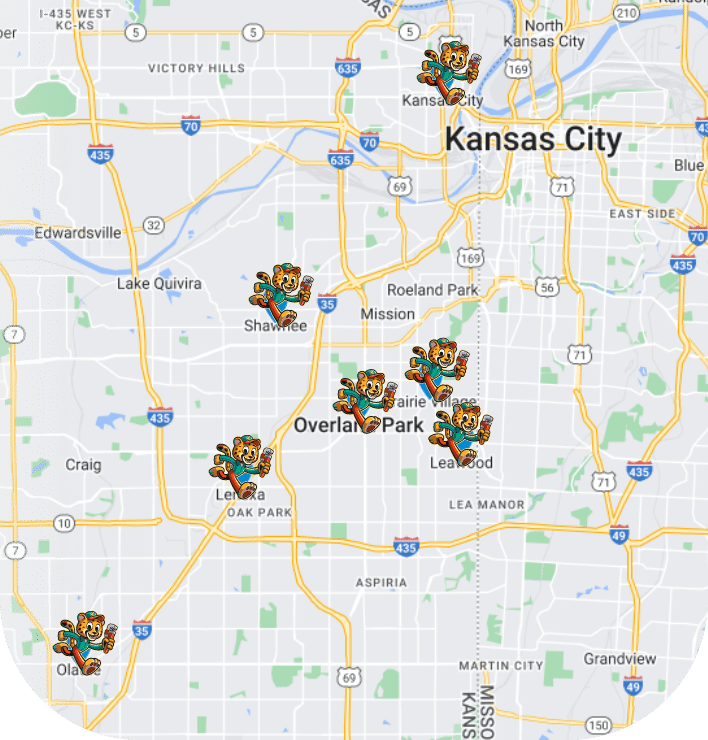
Our gas piping team handles new gas line installation, repair, and maintenance for homes and businesses across Kansas City, Overland Park, Leawood, Olathe, Shawnee, Lenexa, and Prairie Village. Every technician is licensed, insured, bonded, background-checked, and drug-tested, because we know you’re trusting us with your home and your family’s safety.
Founder Anthony Ficara grew up in the trade working alongside his father and was plumbing new-construction homes by his late teens. That hands-on experience is the foundation of the family-owned business he started in 2012, which has since earned a 4.9-star rating across more than 600 Google reviews and a 2024 “Best of KC” Gold award.
Key Takeaways
- Gas line installation is needed when you add a gas appliance where no connection exists, or when your current piping can’t supply enough fuel.
- Proper sizing based on total appliance demand keeps every gas appliance running at the right pressure.
- Professional installation includes permits, pressure testing, and inspection before gas flows to the new line.
- Gas line mistakes can cause leaks and carbon monoxide hazards, so this work should always be done by a licensed plumber.
- Cost depends on the length and route of the run and whether existing piping needs upgrades.
Frequently Asked Questions
How long does gas line installation take? A simple run to a nearby appliance can often be completed in a day. Longer runs, underground lines, or projects that need permit inspections can take longer.
Do I need a permit to install a gas line? In most cases, yes. Gas piping work typically requires a permit and inspection from your city. A licensed plumber can handle the permit process for you.
Can I connect a new gas stove myself? Connecting gas appliances involves leak testing and proper fittings, and mistakes can be dangerous. We recommend having a licensed plumber install the line and make the final connection.
What should I do if I smell gas after a new appliance is installed? Leave the house immediately, avoid using light switches or anything that could spark, and call your gas company from outside. Then contact a licensed plumber to inspect the line.
Planning to add a gas range, dryer, water heater, or outdoor appliance? Contact Quick Relief Plumbing or call 913-207-0779 for safe, professional gas line installation with upfront pricing across Kansas City and Overland Park.