



Your home’s sewer line does a job most people never think about — until it stops working. This single pipe carries every bit of wastewater from your bathrooms, kitchen, and laundry out to the city main or your septic tank, and when it fails, the results show up fast: backups, bad smells, and sometimes real damage to your yard or foundation. Sewer line repair is one of the more urgent calls we get from homeowners in Kansas City and Overland Park, and catching the warning signs early can be the difference between a straightforward fix and a much bigger, more expensive project.
Below, we’ll walk through the signs that point to a failing sewer line, what typically causes the damage, and how professional repair works.
What Does a Sewer Line Actually Do?
Think of your sewer line as the final stretch of your home’s plumbing system. Every drain, toilet, and appliance eventually feeds into this one pipe, which then carries wastewater either to the municipal sewer system or to an on-site septic tank. If your home relies on a septic system rather than city sewer, it’s worth understanding how septic systems work, since a compromised line leading to the tank can produce very similar warning signs to a municipal sewer line problem.
Most sewer lines installed in the last couple of decades are built to last, but age, tree roots, ground shifting, and everyday wear can all shorten that lifespan considerably.
Warning Signs You Need Sewer Line Repair
1. Multiple Slow or Clogged Drains
A single slow drain is usually a localized clog. But when several drains throughout the house — sinks, tubs, and toilets — start backing up around the same time, that’s often a sign the main sewer line itself is blocked or damaged.
2. Gurgling Sounds From Your Pipes
Gurgling noises coming from toilets or drains, especially after you run water elsewhere in the house, usually mean air is getting trapped somewhere it shouldn’t be. This is a common symptom of a partial blockage or a line that isn’t sloped or vented correctly anymore.
3. Sewage Odors Indoors or Outdoors
A persistent sewage smell, whether it’s coming from a drain inside your home or from a spot in your yard, is one of the clearest signs of a sewer line problem. Odors usually mean wastewater is escaping the pipe somewhere along its path.
4. Unusually Lush or Soggy Patches in the Yard
A section of grass that’s suddenly greener, spongier, or wetter than the rest of your lawn — particularly if it follows the path of your sewer line — often points to a leak below the surface. Wastewater acts like fertilizer, which is why the grass above a leaking line can look almost too healthy.
5. Tree Root Intrusion
Tree roots are drawn to the moisture and nutrients inside sewer pipes and can work their way into small cracks or joints over time. Once inside, roots expand and can block or even crack the pipe further, which is one of the most common causes of sewer line damage in older Kansas City neighborhoods with mature trees.
6. Foundation Cracks or Indoor Flooring Issues
In more advanced cases, a badly leaking sewer line can saturate the soil beneath a home’s foundation, leading to shifting, cracking, or uneven flooring. This is a less common sign, but one that shouldn’t be ignored.
What Causes Sewer Line Damage?
Most sewer line problems trace back to a handful of causes: aging or corroded pipe materials, tree root intrusion, ground shifting or settling, bellied pipes that create low spots where waste collects, and physical damage from nearby construction or heavy equipment. Identifying the actual cause matters, because it determines whether a targeted repair will hold up or whether the whole line needs attention.
How Professional Sewer Line Repair Works
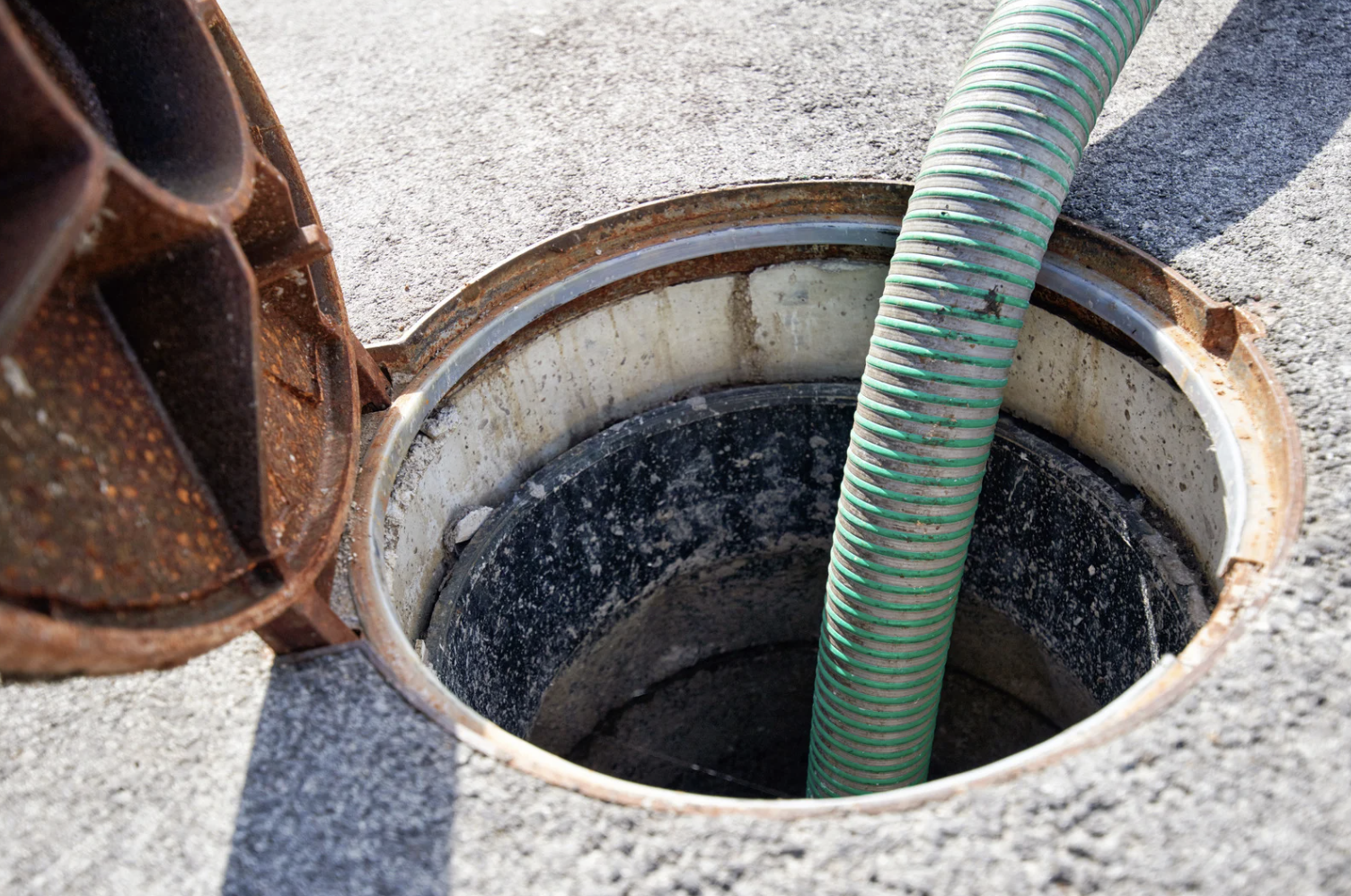
A reliable repair starts with an accurate diagnosis. At Quick Relief Plumbing, our technicians use video pipe inspection to see exactly what’s happening inside your line before recommending any work. This lets us pinpoint cracks, root intrusion, or blockages without unnecessary digging, and it means the estimate you receive is based on what’s actually going on rather than a guess.
Once we know what we’re dealing with, the right fix depends on the severity and location of the damage. Some situations call for spot repairs or hydro-jetting to clear roots and buildup, while more extensive damage may call for a full sewer line repair or replacement. We’ll walk you through the options, the costs, and the trade-offs so you can make an informed decision — no pressure, no surprise charges.
Founder Anthony Ficara has been in the plumbing trade since he was five years old, working alongside his father before eventually plumbing new-construction homes himself as a teenager. That depth of hands-on experience is part of why Kansas City and Overland Park homeowners have trusted our team since 2012, and it’s backed by a 4.9-star rating across more than 600 reviews. Every technician we send to your home is licensed, insured, background-checked, and drug-tested.
Key Takeaways
- Multiple slow drains, gurgling pipes, sewage odors, and unusually lush patches of lawn are common warning signs of sewer line damage.
- Tree roots, aging pipe materials, and ground shifting are among the most frequent causes of sewer line failure in the Kansas City area.
- A video pipe inspection allows for an accurate diagnosis before any repair work begins, which helps avoid unnecessary digging and cost.
- Repair options range from targeted spot repairs and hydro-jetting to full line replacement, depending on the extent of the damage.
- Working with a licensed, experienced plumber ensures the right fix is applied the first time, protecting your home and your budget.
Frequently Asked Questions
How much does sewer line repair cost in Kansas City? Costs vary widely depending on the extent of the damage, ranging from a few hundred dollars for a minor spot repair to several thousand for a full line replacement. A video inspection helps provide an accurate, upfront estimate.
Can a damaged sewer line be repaired without digging up my yard? In many cases, yes. Trenchless methods can repair or replace sections of pipe with minimal excavation, though the right approach depends on the specific damage found during inspection.
How do I know if it’s my sewer line or just a clogged drain? A clog in one fixture usually affects only that drain, while a sewer line issue tends to affect multiple drains at once, often accompanied by gurgling sounds or sewage odors.
How often should my sewer line be inspected? Homes with mature trees, older pipe materials, or a history of backups benefit from periodic video inspections, ideally every few years or whenever warning signs appear.
If you’re noticing any of these warning signs, don’t wait for a small problem to turn into a major one. Contact Quick Relief Plumbing or call 913-207-0779 for an honest assessment and reliable sewer line repair across Kansas City and Overland Park.